

Common Misconceptions About Thai Massage: Separating Fact from Fiction
- hoodboxoffice
- Jul 23
- 6 min read


Introduction
Traditional Thai massage has earned worldwide recognition for its unique combination of pressure point therapy, assisted stretching, and centuries-old healing techniques. Yet despite its popularity, many international visitors arrive in Thailand with misconceptions about what a traditional Thai massage actually involves.
Some people mistakenly associate Thai massage with sexual services. Others believe every session is extremely painful or assume all Thai massages use oils. These misunderstandings often come from inaccurate media portrayals, the existence of entertainment-focused venues using the word "massage," or confusion between different types of massage treatments.
For this article, we combined general educational information with firsthand insights from licensed massage therapists working in Thailand. Their experiences reveal the misconceptions they hear most often from international visitors—and the reality behind them.
Key Takeaways
Traditional Thai massage is a therapeutic bodywork practice, not a sexual service.
Authentic Thai massage can be adjusted from gentle to firm pressure.
Traditional Thai massage is usually performed without massage oil.
Oil massage and traditional Thai massage are different treatments.
Thai massage has roots in Thailand's traditional healing practices.
Licensed therapists encourage clients to communicate their comfort level.
Table of Contents
Why Thai Massage Is Often Misunderstood
Thailand welcomes millions of visitors every year, many of whom experience Thai massage for the first time during their trip.
According to the therapists we interviewed, international visitors often arrive with expectations shaped by movies, travel stories, or misconceptions about Thailand's nightlife. In reality, authentic Thai massage is a structured therapeutic treatment focused on relieving muscle tension, improving flexibility, and promoting relaxation.
Understanding the differences between traditional massage and other services can help visitors choose the experience they're actually looking for.
Myth #1: Thai Massage Is a Sexual Service
Perhaps the most common misconception is that Thai massage automatically involves sexual services.
According to the licensed massage therapists we interviewed, this belief is incorrect when referring to legitimate traditional Thai massage clinics.
Several therapists explained that some foreign visitors—particularly from Western countries—associate the phrase "Thai massage" with adult entertainment because of the reputation of certain nightlife areas. However, authentic Thai massage focuses on relieving muscle tension, improving flexibility, and supporting physical well-being.
Legitimate massage clinics operate as wellness businesses and provide therapeutic massage services. They are distinct from businesses offering adult entertainment.
When visiting Thailand, choosing a licensed massage clinic helps ensure you're receiving a professional wellness treatment.
Myth #2: Thai Massage Has to Be Painful
Another common myth is that Thai massage is supposed to hurt.
The therapists consistently told us that this is not true.
While traditional Thai massage can involve firm pressure and assisted stretching, the intensity should always match the client's comfort level.
Many first-time visitors worry they will experience:
Constant pain
Loud joint cracking
Aggressive stretching
Excessive pressure
In reality, therapists routinely ask clients whether they prefer:
Gentle pressure
Medium pressure
Firm pressure
People with very tight muscles may experience temporary discomfort during certain stretches, but a professional therapist can adjust the pressure at any time.
Good communication is one of the keys to an enjoyable massage.

Myth #3: Every Thai Massage Uses Oil
Many visitors assume that all Thai massages involve massage oil.
According to the therapists we interviewed, this is another common misunderstanding.
Traditional Thai massage is typically performed while the client wears loose-fitting clothing provided by the massage clinic.
The treatment focuses on:
Pressure point therapy
Assisted stretching
Muscle compression
Joint mobility
Massage oil is generally not used during a traditional Thai massage.
Some therapists noted that balm may be applied if requested by the client, but this differs from a full oil massage.
Thai Massage vs. Oil Massage
Traditional Thai Massage | Oil Massage |
Client wears loose clothing | Oil applied directly to the skin |
No massage oil used during the treatment | Massage oils or aromatherapy oils used throughout |
Focus on stretching and pressure points | Focus on smooth gliding massage strokes |
Includes assisted body stretches | Usually no assisted stretching |
Emphasizes flexibility and muscle release | Primarily emphasizes relaxation |

Myth #4: Thai Massage Is Just Another Relaxation Massage
Many visitors expect Thai massage to be similar to a standard spa massage.
The therapists explained that traditional Thai massage has a different purpose.
Rather than relying mainly on long, flowing massage strokes, Thai massage combines rhythmic pressure with assisted stretching and body positioning.
According to the therapists we interviewed, many Thai clients visit specifically to address:
Neck stiffness
Shoulder tension
Lower back discomfort
Tight muscles
International visitors, on the other hand, often choose Thai massage primarily for relaxation.
Although relaxation is an important benefit, traditional Thai massage also focuses on improving mobility and reducing muscle tightness.
Thai Massage and Traditional Thai Medicine
Traditional Thai massage, also known as Nuad Thai, has long been practiced as part of Thailand's traditional healing heritage.
According to the therapists we interviewed, many Thai people view massage as more than simply a way to relax. They often seek treatment to help relieve muscle tension and stiffness from work or daily activities.
Today, traditional Thai massage is widely offered in wellness clinics, spas, and licensed massage establishments throughout Thailand.
While many people report feeling better after treatment, massage should not be viewed as a replacement for medical care. Individuals with injuries or underlying medical conditions should consult a qualified healthcare professional when appropriate.
Therapist Insights
According to the therapists we interviewed...
Several licensed Thai massage therapists said the biggest misunderstanding among foreign visitors is the belief that Thai massage is connected to sexual services.
They also explained that many people expect every treatment to be extremely painful or assume all Thai massages use oil.
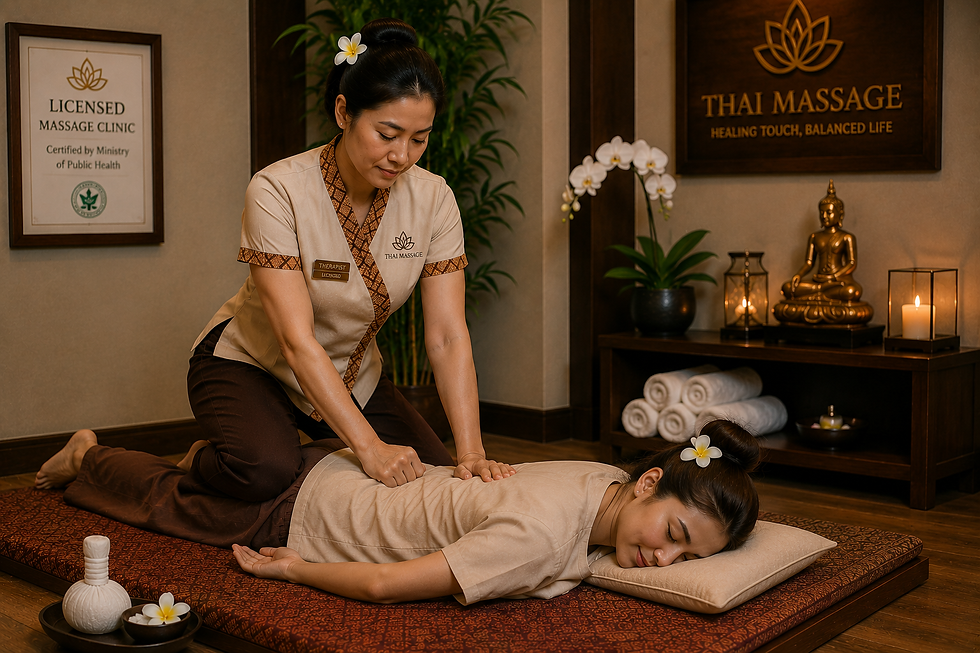
The therapists emphasized that authentic traditional Thai massage is performed fully clothed, focuses on pressure points and stretching, and can be adjusted to the client's preferred pressure level.
Tips for Choosing an Authentic Thai Massage
To improve your chances of having a professional experience:
Choose a licensed massage clinic.
Look for displayed certifications or business licenses.
Review the treatment menu before booking.
Ask whether you're booking a traditional Thai massage or an oil massage.
Tell your therapist your preferred pressure level.
Inform the therapist about any injuries or medical conditions before treatment.
Common Mistakes Visitors Make
Based on our therapist interviews, first-time visitors often:
Assume all massage shops provide the same services.
Believe Thai massage should always be painful.
Book an oil massage when they actually wanted traditional Thai massage.
Stay silent when the pressure feels uncomfortable.
Confuse therapeutic massage with entertainment venues that use the word "massage."
FAQ
Is traditional Thai massage a sexual service?
No. According to the licensed therapists we interviewed, authentic traditional Thai massage is a therapeutic treatment focused on relieving muscle tension, improving flexibility, and promoting relaxation.
Why do some people think Thai massage is painful?
Some visitors have heard stories about intense stretching or firm pressure. In practice, professional therapists adjust the pressure according to each client's comfort level.
Is oil used during a traditional Thai massage?
No. Traditional Thai massage is generally performed without oil while the client wears loose-fitting clothing. Oil massage is a separate treatment.
Can I ask for a gentler massage?
Yes. Professional therapists encourage clients to communicate whether they prefer light, medium, or firm pressure.
Is Thai massage only for people with pain?
No. While many Thai clients seek massage for muscle tension or stiffness, many international visitors enjoy Thai massage simply for relaxation and wellness.
What's the difference between Thai massage and a spa massage?
Traditional Thai massage emphasizes pressure points and assisted stretching, while many spa massages use oils and smooth, gliding techniques focused primarily on relaxation.
Final Thoughts
Traditional Thai massage is one of Thailand's most recognized wellness traditions, yet it is often misunderstood by first-time visitors. Misconceptions about pain, oil massage, and sexual services can prevent travelers from experiencing an authentic treatment.
The licensed therapists we interviewed consistently emphasized that traditional Thai massage is a professional therapeutic practice that can be tailored to each client's comfort level. Understanding what it is—and what it is not—can help you choose the right treatment and enjoy a more rewarding experience during your visit to Thailand.
Planning a Massage Trip to Thailand?
Continue exploring ThailandMassage.org:
What to Expect During a Traditional Thai Massage
Thai Massage Benefits
Thai Massage vs. Oil Massage
First-Time Visitor's Guide to Thai Massage
Bangkok Massage Guide
Pattaya Massage Guide
Phuket Massage Guide
Chiang Mai Massage Guide
Thailand Massage Directory
Suggested Internal Links
Traditional Thai Massage
Thai Massage Benefits
Thai Massage vs. Oil Massage
Massage Etiquette in Thailand
First-Time Thai Massage Guide
Bangkok Massage Guide
Pattaya Massage Guide
Massage Directory
Suggested External Authority Sources
UNESCO – Nuad Thai (Traditional Thai Massage) Intangible Cultural Heritage
Thailand Ministry of Public Health
Department of Thai Traditional and Alternative Medicine
World Health Organization (WHO) – Traditional Medicine
Video Suggestions
What Is Traditional Thai Massage?
Thai Massage vs. Oil Massage Explained
Common Myths About Thai Massage
Licensed Thai Therapist Answers Visitors' Most Common Questions


Comments