

A Day in the Life of a Thai Massage Therapist

Introduction
Behind every great Thai massage is a trained therapist who spends hours helping clients relax, recover, and relieve muscle tension. While visitors often experience only an hour or two of treatment, a massage therapist's workday can extend well beyond a standard office schedule.
For this article, we interviewed licensed Thai massage therapists about what a typical day looks like. They shared insights into their daily routines, working hours, client volume, busy tourist seasons, and the physical demands of their profession.
Although schedules vary between massage shops, spas, and resorts, their experiences offer a realistic look at life behind the massage table.
A Day in the Life of a Thai Massage Therapist
Key Takeaways
Many therapists work shifts lasting around 12 hours.
Common schedules include 10:00 a.m.–10:00 p.m. or 1:00 p.m.–1:00 a.m.
Client numbers vary from quiet days to very busy periods.
Peak tourism seasons often mean longer, busier workdays.
Massage therapy is physically demanding and requires stamina.
Professional therapists prioritize proper body mechanics to protect themselves while working.
Table of Contents
Starting the Workday
Typical Working Hours
How Many Clients Do Therapists See?
Busy Season vs. Quiet Season
The Physical Demands of Massage
What Happens Between Clients?
Therapist Insights
FAQ
Final Thoughts
Starting the Workday
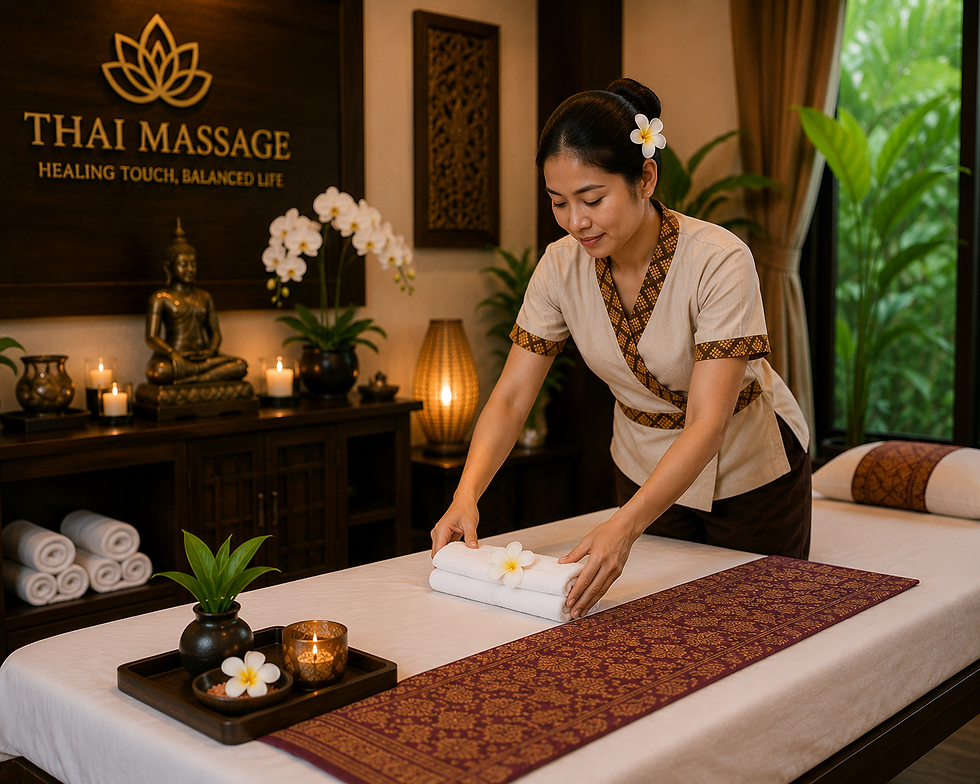
Before the first client arrives, therapists often prepare their treatment rooms and ensure everything is ready for the day.
Typical preparation may include:
Organizing massage clothing
Preparing clean towels
Sanitizing treatment areas
Checking supplies
Reviewing appointments
Many therapists also spend a few moments stretching before beginning work, since they know they may spend much of the day standing, kneeling, and using their body weight during treatments.
Typical Working Hours
According to the therapists we interviewed, workdays can be long.
Several therapists described schedules such as:
Morning Shift
10:00 a.m. – 10:00 p.m.
Afternoon Shift
1:00 p.m. – 1:00 a.m.
They also explained that if a customer arrives shortly before closing time, therapists may stay later to complete the treatment.
Working hours vary depending on the business, customer demand, and whether the therapist works in a neighborhood massage shop, tourist area, or luxury spa.

How Many Clients Do Therapists See?
No two days are exactly alike.
According to the therapists we interviewed, client numbers depend on the season, location, and day of the week.
On quieter days, a therapist may treat:
Three or four clients
During busy periods, they may see:
Eight to ten clients
Sometimes even more during holiday periods or major tourism events
Treatment lengths also vary, with many appointments lasting between one and two hours.
The number of clients a therapist sees directly affects the physical demands of the job

Busy Season vs. Quiet Season
Tourism has a major influence on many massage businesses across Thailand.
According to the therapists, busy seasons generally bring:
More walk-in customers
Longer waiting times
More appointments
Longer working days
In popular destinations such as Bangkok, Pattaya, Phuket, and Chiang Mai, holiday periods can significantly increase demand.
By contrast, quieter seasons may allow therapists more time between appointments and shorter waiting lists.
The exact timing of busy periods depends on the location and customer base.

The Physical Demands of Massage
Massage therapy is rewarding, but it is also physically demanding.
Traditional Thai massage requires therapists to use:
Their hands
Thumbs
Palms
Forearms
Elbows
Legs
Body weight
Throughout the day they may repeatedly:
Stand
Kneel
Squat
Stretch
Shift body position
According to the therapists we interviewed, learning proper body mechanics is essential to protecting their own muscles and joints over the course of a long career.
Many therapists also perform stretching exercises before or after work to maintain flexibility.

What Happens Between Clients?
The time between appointments is often spent preparing for the next customer.
Tasks may include:
Changing linens
Sanitizing equipment
Folding massage clothing
Drinking water
Taking a short break
Reviewing the next appointment
On busy days, these breaks can be very short before the next client arrives.

Therapist Insights
According to the therapists we interviewed...
Several therapists described massage therapy as rewarding work that requires both physical endurance and strong interpersonal skills.
They explained that a typical shift can last around 12 hours, with client numbers ranging from just a few appointments on quiet days to as many as 10 or more during busy tourist periods.
Despite the long hours, many said they enjoy helping clients feel better and take pride in seeing returning customers who appreciate their work.
Challenges of the Profession
The therapists also discussed some of the challenges they face, including:
Long hours on their feet
Physically demanding treatments
Maintaining consistent energy throughout the day
Working during holidays and weekends
Communicating with clients who speak different languages
These challenges require experience, patience, and a commitment to professional service.
FAQ
How many hours do Thai massage therapists work?
According to the therapists we interviewed, many work shifts lasting around 12 hours, although schedules vary depending on the employer.
How many clients does a therapist see each day?
The therapists reported seeing anywhere from three or four clients on quieter days to eight or more during busy periods.
Is massage therapy physically demanding?
Yes. Traditional Thai massage involves standing, kneeling, stretching, and using body weight throughout the day, making it a physically active profession.
Do therapists work during tourist season?
Yes. Busy travel periods often bring more appointments and longer workdays, particularly in popular tourist destinations.
Do therapists get breaks?
Therapists typically use the time between appointments to clean treatment rooms, prepare for the next client, and take short rest breaks when possible.
Final Thoughts
Receiving a traditional Thai massage may last only an hour, but the work behind each treatment reflects years of training, physical effort, and dedication.
The therapists we interviewed described demanding schedules, busy tourist seasons, and physically challenging work, yet they also spoke about the satisfaction of helping clients feel more comfortable and relaxed.
Understanding the daily life of a Thai massage therapist offers a greater appreciation for the skill and professionalism behind one of Thailand's most respected wellness traditions.
Planning a Massage Trip to Thailand?
Continue exploring ThailandMassage.org:
What to Expect During a Traditional Thai Massage
How to Choose a Legitimate Massage Shop in Thailand
Thai Massage Safety Guide
Common Misconceptions About Thai Massage
Thai Massage Therapist Training Guide
Thailand Massage Directory
Suggested Internal Links
How Thai Massage Therapists Are Trained
What to Expect During a Traditional Thai Massage
Common Conditions Treated by Thai Massage
Thai Massage Safety Guide
Bangkok Massage Guide
Pattaya Massage Guide
Thailand Massage Directory
Suggested External Authority Sources
Department of Thai Traditional and Alternative Medicine
Thailand Ministry of Public Health
Tourism Authority of Thailand (TAT)
Video Suggestions
A Day in the Life of a Thai Massage Therapist
Behind the Scenes at a Traditional Thai Massage Clinic
How Licensed Thai Massage Therapists Prepare for Their Day
What It's Like to Work in a Thai Massage Shop
SEO Opportunity
This article is an excellent place to embed short interview clips from your therapists discussing their daily routines. Original video content reinforces the article's firsthand perspective, strengthens E-E-A-T signals, and provides unique material that competing sites are unlikely to have.


Comments