
Thai Massage Schools
17 schools where you can learn Thai massage in Thailand, from the temple school at Wat Pho in Bangkok to Chiang Mai, Pattaya, Phuket and Koh Samui.
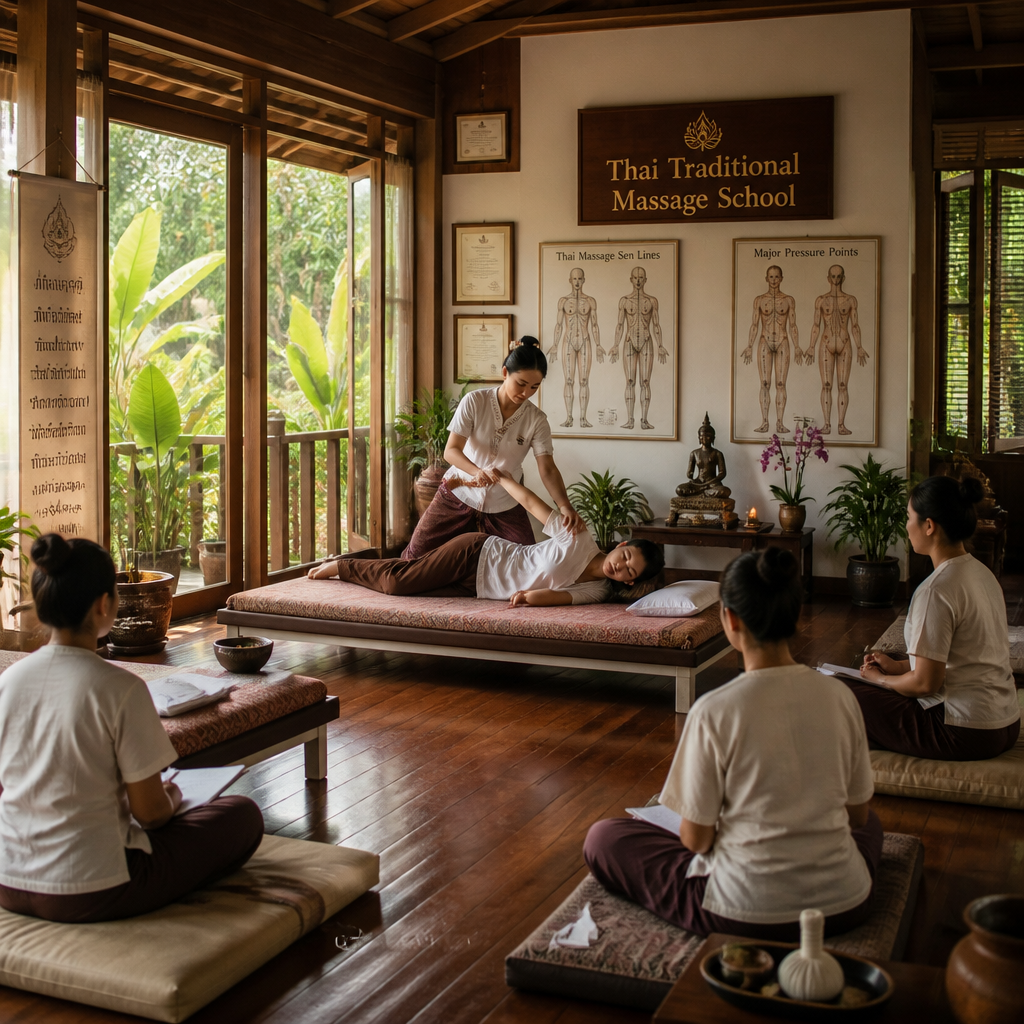
Bangkok. The original temple school. 30-hour, 5-day general Thai massage course.
Bangkok. The Wat Pho network’s city branch. 30-hour basic and 42-hour advanced courses.
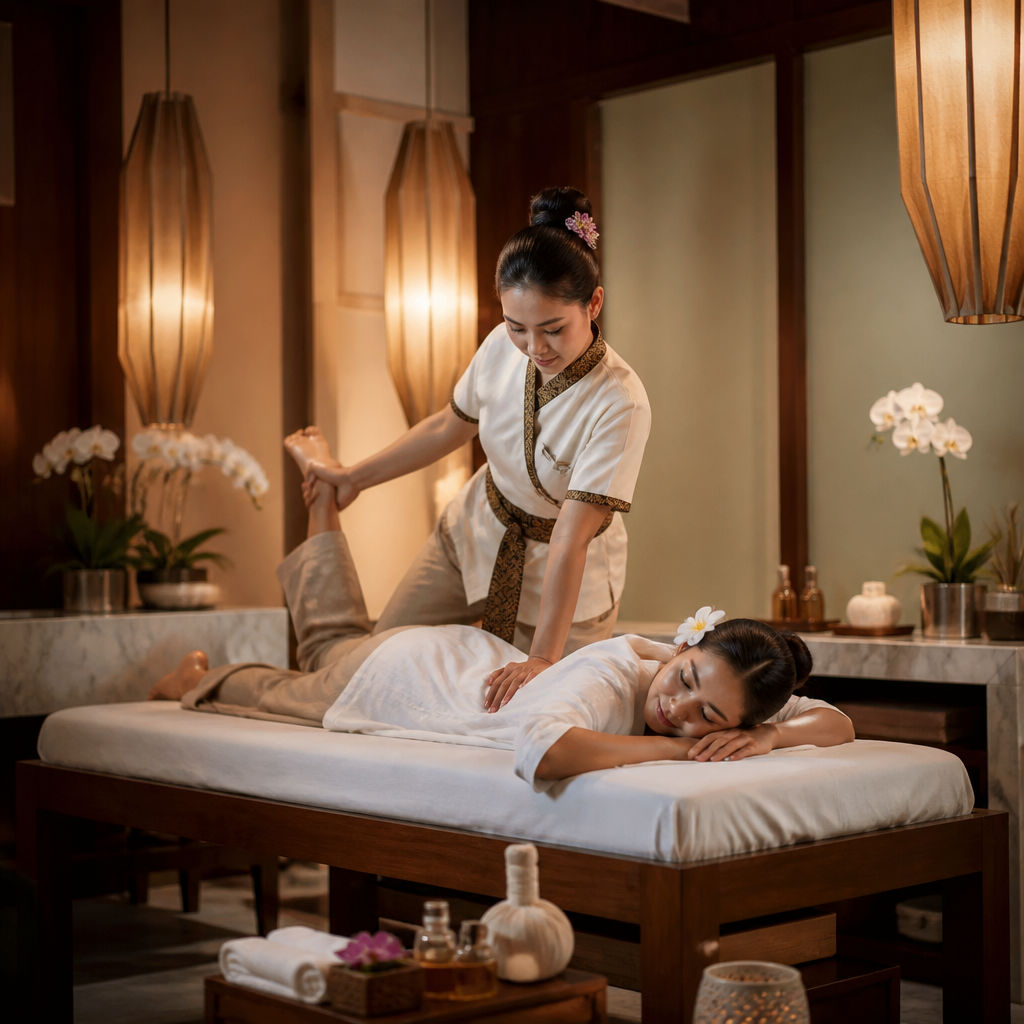
Greater Bangkok. Foundation course plus long professional tracks.
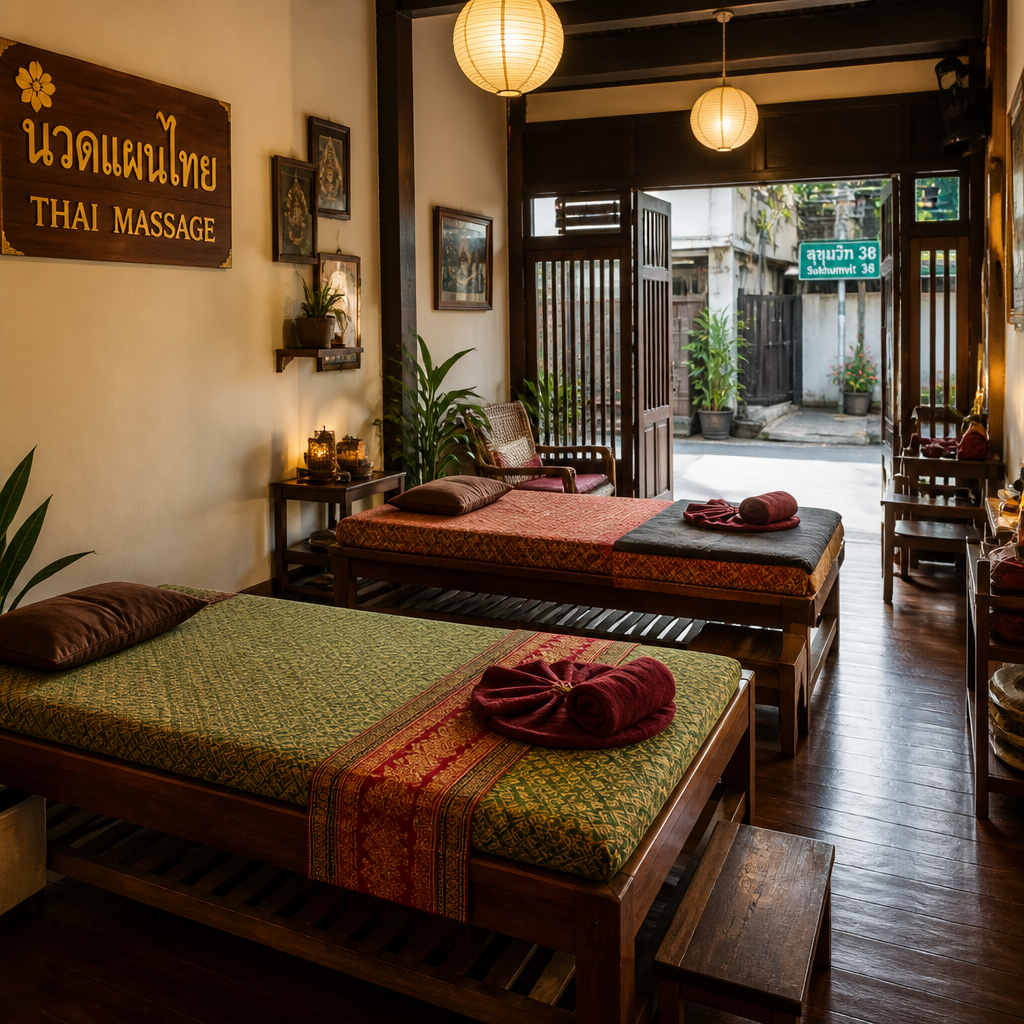
Chiang Mai. The Wat Pho network’s northern school. 30 hours over 5 days.
Chiang Mai. A full ladder from beginner levels to teacher training, taught in English.
Chiang Mai. The source school of northern-style Thai massage. 30-hour Level 1.
Chiang Mai. 5-day foundation course up to a full 800-hour diploma.
Chiang Mai. Running since 1998. 30-hour basic course over 5 days.
Learn Thai massage in Thailand
Thailand is the home of Thai massage, and studying it here means learning from teachers who practise it every day. Most schools start with a 5-day, 30-hour foundation course that teaches a full-body routine, and many go on to advanced levels, teacher training and long professional diplomas. Classes are usually taught in English and beginners are welcome. Every school above links to a full profile with course lengths, fees and accreditation.
Bangkok, Chiang Mai or the beaches?
Bangkok is home to the Wat Pho school, the best-known name in Thai massage training, with several branches in and around the city. Chiang Mai has the largest choice of schools, a slower pace and a strong northern-style tradition. Pattaya, Phuket and Koh Samui have smaller schools that suit a course alongside a beach holiday. See our Bangkok, Chiang Mai, Pattaya, Phuket and Koh Samui city guides.
How to choose a course
Course length
Short courses teach a routine you can use on friends and family. Longer courses add theory, the energy lines (sen) and supervised practice. Professional diplomas take months.
Certificates and accreditation
Schools give a certificate with the hours studied, but recognition varies. If you plan to work as a therapist at home, check what your own country or employer requires before you book. Each school profile lists the accreditation details we hold.
Class size and language
Ask how many students share a teacher, whether classes are in English, and how much of each day is hands-on practice.
Style
Some schools teach only traditional Thai massage, others add foot reflexology, oil massage or herbal compress. Read our guide to Thai massage types to decide what you want to learn.
Schools that have closed
Some famous schools still appear in old guidebooks and forums but no longer teach. TMC Thai Massage School of Chiang Mai, its sister school TMST and the Boonthumme school of Ajahn Pichest have all closed. Check that a school is still running before you plan a trip around it.
What to expect in class
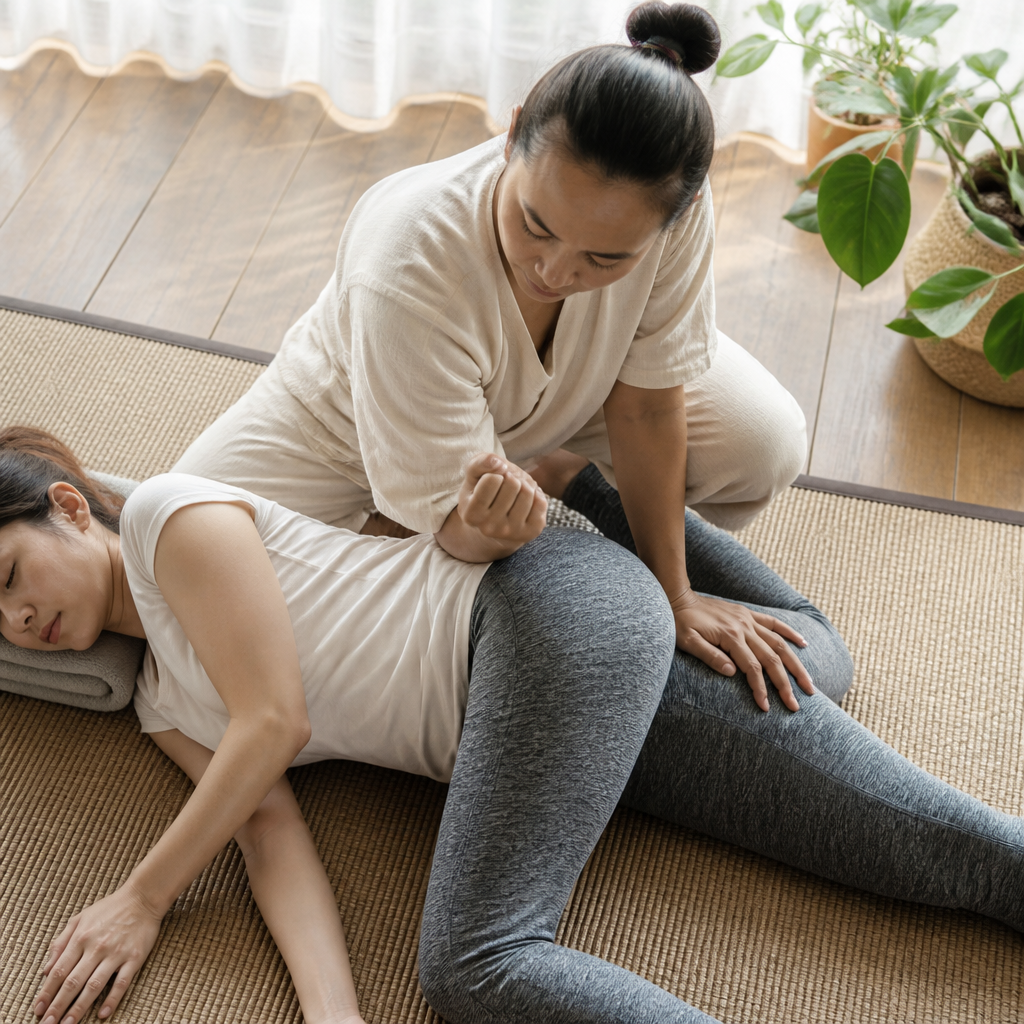
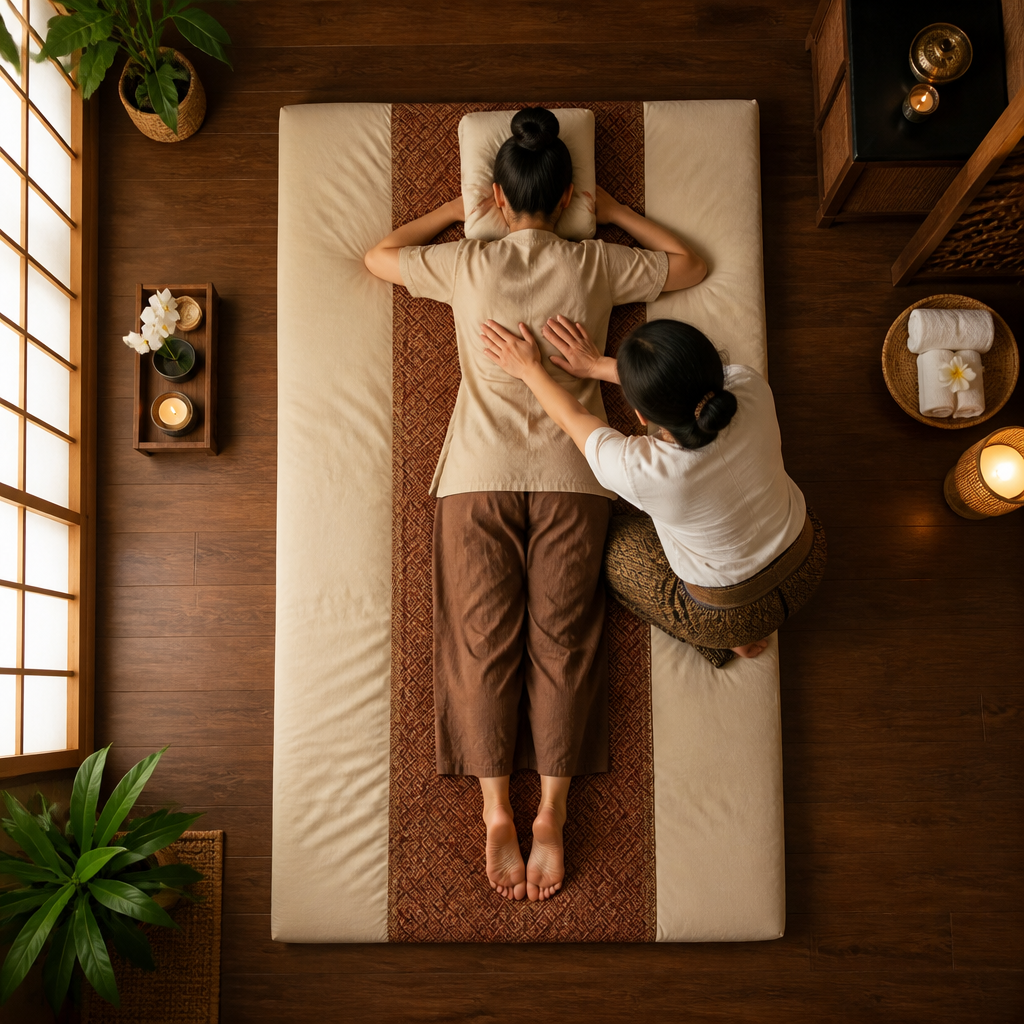
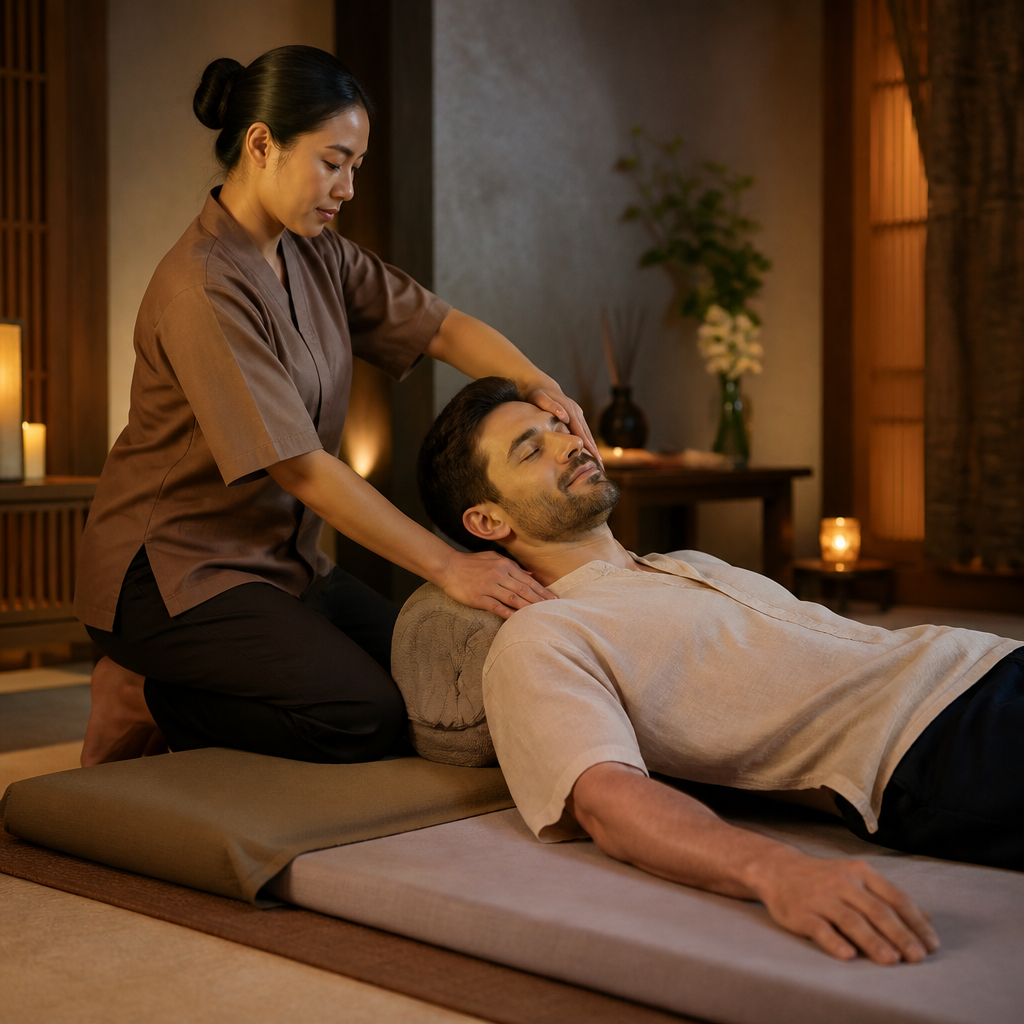
Wear loose, comfortable clothes. Classes are usually on floor mats and you take turns giving and receiving massage with other students, so expect to be hands-on from day one. Days are physical, so pace yourself and rest your hands in the evenings.
Before you book
Course dates, fees and booking rules change, so confirm them with the school before you pay. Book ahead for the busy season from November to February. New to Thai massage? Start with our Thai massage guide, read our health travel tips, then find a massage near you to try it before you study.