

Your Guide to Authentic Thai Spa Experiences

Thailand is renowned worldwide for its rich tradition of wellness and healing, particularly through its authentic Thai spas. These establishments offer more than just relaxation; they provide a deep cultural experience rooted in centuries-old practices. For travelers and wellness enthusiasts seeking genuine Thai massage and spa treatments, understanding what makes a spa truly authentic is essential. This guide aims to provide clear, practical insights into traditional Thai massage, wellness practices, massage schools, and spa travel throughout Thailand.
Understanding the Authentic Thai Spa Guide
When exploring Thai spas, it is important to distinguish between commercialized tourist spas and those that maintain traditional methods and philosophies. Authentic Thai spas focus on holistic wellness, combining physical therapy, energy work, and mindfulness. The core of these spas is the traditional Thai massage, known locally as Nuad Thai, which is recognized by UNESCO as an intangible cultural heritage.
Traditional Thai massage involves a combination of acupressure, stretching, and deep rhythmic compressions. Unlike Western massages that often use oils and focus on muscle relaxation, Thai massage is typically performed on a mat on the floor, with the client fully clothed. The therapist uses hands, thumbs, elbows, knees, and feet to manipulate the body’s energy lines, called Sen.
For those interested in learning or deepening their knowledge, Thailand offers numerous reputable massage schools where licensed professionals teach authentic techniques. These schools emphasize anatomy, energy flow, and the spiritual aspects of Thai massage, ensuring that graduates uphold the tradition’s integrity.

What to Expect from an Authentic Thai Spa Experience
Visiting an authentic Thai spa is a unique experience that differs significantly from typical Western spas. Here are some key elements to expect:
Atmosphere: Authentic spas often have a serene, minimalist design inspired by Thai culture. Natural materials like wood and bamboo, soft lighting, and calming scents such as lemongrass or jasmine create a peaceful environment.
Therapists: Licensed therapists are trained in traditional techniques and often have years of experience. They may also have studied at well-known massage schools in Thailand.
Treatment Types: Besides traditional Thai massage, many spas offer herbal compress massages, foot reflexology, and Thai herbal steam baths. These treatments are designed to promote circulation, relieve muscle tension, and balance energy.
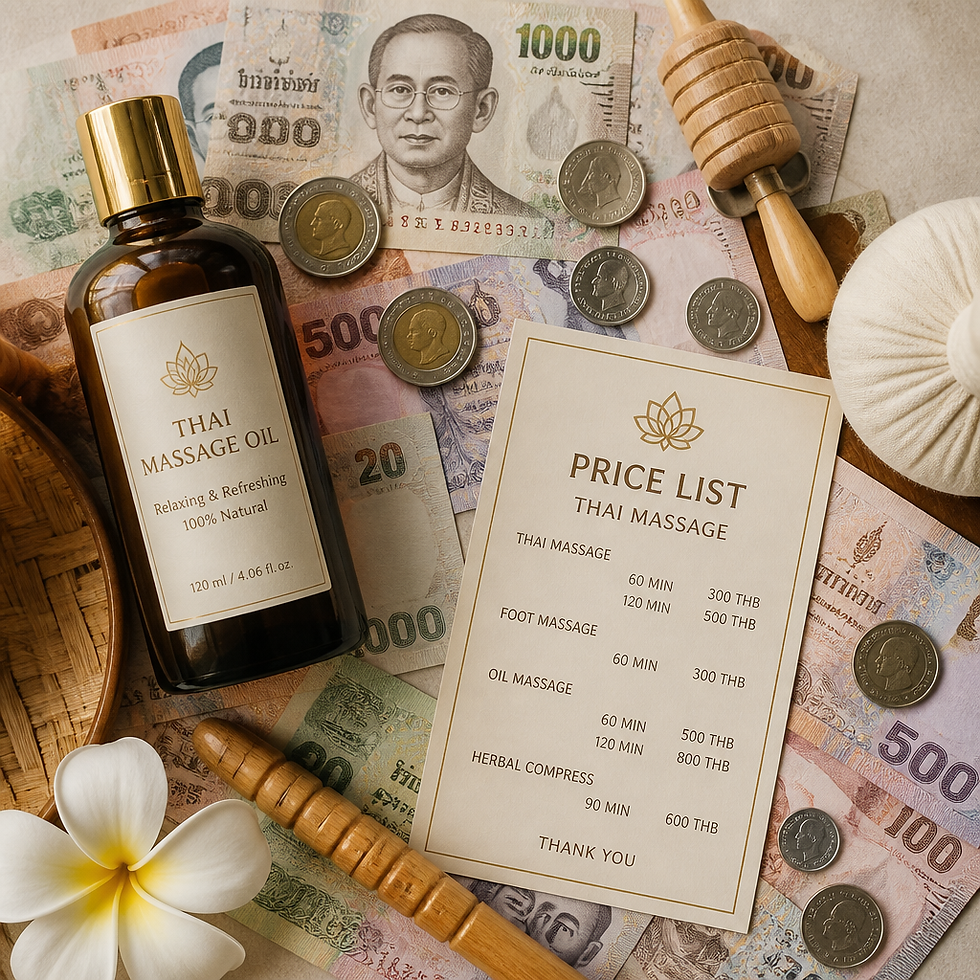
Duration and Pricing: Sessions typically last between 60 to 120 minutes. Prices vary depending on location and spa quality but are generally affordable compared to Western standards.
Client Preparation: Clients are usually provided with loose, comfortable clothing to wear during the massage. It is important to communicate any health concerns or preferences before the session begins.
For travelers seeking a comprehensive resource, an authentic spa guide thailand can provide detailed listings and reviews of reputable spas and schools.
Are Happy Endings Common in Thailand?
A common question among visitors is whether "happy endings" are part of Thai spa services. It is important to clarify that authentic Thai spas do not offer sexual services. Traditional Thai massage is a respected healing art focused on wellness and physical therapy.
Unfortunately, some establishments, particularly in tourist-heavy areas, may offer illicit services under the guise of a spa. These places are not representative of genuine Thai massage culture and should be avoided. Travelers are encouraged to choose spas with proper licensing and positive reviews from trusted sources.
Respecting the cultural and professional integrity of Thai massage therapists is crucial. Authentic spas maintain strict ethical standards, and any inappropriate behavior is not tolerated.
Choosing the Right Spa and Massage School in Thailand
Selecting a reputable spa or massage school requires some research and awareness. Here are practical tips to help make informed decisions:
Check Credentials: Look for spas and schools licensed by the Thai Ministry of Public Health or recognized massage associations.
Read Reviews: Trusted travel and wellness websites, as well as forums, can provide honest feedback from previous clients.
Ask About Therapists’ Training: Authentic spas employ therapists trained in traditional methods, often certified by well-known Thai massage schools.
Visit Established Locations: Spas in cities like Chiang Mai, Bangkok, and Phuket often have a higher standard due to competition and tourism demand.
Consider Massage Schools for Learning: For those interested in studying, schools such as Wat Pho Traditional Medical School in Bangkok offer comprehensive courses taught by experienced instructors.
By following these guidelines, visitors can ensure a safe, authentic, and enriching spa experience.
Wellness Beyond Massage: Exploring Thai Spa Culture
Authentic Thai spas offer more than just massage treatments. They often incorporate wellness practices that reflect Thailand’s holistic approach to health. These may include:
Herbal Medicine: Use of natural herbs and plants in compresses, oils, and teas to support healing.
Meditation and Mindfulness: Some spas provide guided meditation sessions or quiet spaces for relaxation.
Detox Programs: Combining massage with dietary advice and herbal remedies to cleanse the body.
Traditional Thai Medicine Consultations: Some spas have practitioners who can assess health imbalances and recommend treatments.
Understanding these elements can enhance the overall spa experience and provide deeper insight into Thai wellness philosophy.
Planning Your Spa Travel in Thailand
When planning a spa-focused trip to Thailand, consider the following practical advice:
Best Time to Visit: The cool season (November to February) is ideal for spa visits due to comfortable weather.
Booking in Advance: Popular spas can fill up quickly, especially during peak tourist seasons.
Health Considerations: Inform therapists of any medical conditions or injuries before treatments.
Cultural Etiquette: Show respect by arriving on time, speaking politely, and tipping appropriately (usually 10-15%).
Combining Activities: Many travelers combine spa visits with cultural tours, yoga retreats, or nature excursions for a balanced itinerary.
By planning carefully, visitors can maximize their wellness experience while enjoying Thailand’s rich culture and natural beauty.
Embracing the Authentic Thai Spa Experience
Authentic Thai spas offer a unique window into Thailand’s heritage of healing and wellness. By choosing reputable establishments and understanding the traditions behind the treatments, visitors can enjoy profound relaxation and rejuvenation. Whether seeking a therapeutic massage, learning the art of Thai massage, or exploring holistic wellness, Thailand’s authentic spas provide a trustworthy and enriching experience.
For those interested in exploring further, resources like the authentic spa guide thailand offer valuable information to help navigate the diverse spa landscape in Thailand. Embracing this knowledge ensures a respectful, safe, and memorable journey into the heart of Thai wellness culture.


Comments