

Most Common Problems Thai Massage Therapists Treat


Introduction
People visit Thai massage clinics for many different reasons. Some are looking to unwind after a long day of sightseeing, while others hope to ease muscle tension from work, exercise, or everyday activities.
During our interviews with licensed Thai massage therapists, we asked a simple question:
"What problems do clients most commonly come to you with?"
Although every client is different and massage is not a substitute for medical care, the therapists consistently mentioned several common concerns they see in their daily practice. Their answers provide a useful overview of why many people choose traditional Thai massage as part of their wellness routine.
Key Takeaways
Neck and shoulder tension are among the most common complaints.
Lower back discomfort is frequently reported by both Thai and international clients.
Tight muscles from work, travel, or exercise are common reasons for booking a massage.
Some clients seek massage to help them relax when feeling stressed.
Swollen or tired legs are often reported after long periods of standing, walking, or traveling.
Clients with persistent, severe, or unexplained symptoms should seek evaluation from a qualified healthcare professional.
Table of Contents
Why People Visit Thai Massage Clinics
Neck Pain and Stiffness
Shoulder Tension
Lower Back Discomfort
Tight Muscles
Headache and Migraine-Related Muscle Tension
Swollen or Tired Legs
Stress and Relaxation
Therapist Insights
When to See a Doctor
FAQ
Final Thoughts
Why People Seek Thai Massage
According to the therapists we interviewed, most clients aren't looking for treatment of a medical disease. Instead, they typically arrive because they're experiencing muscle tightness, physical fatigue, or stress from daily life.
Many clients report discomfort associated with:
Office work
Long hours of standing
Exercise
Travel
Carrying heavy bags
Repetitive movements
Professional therapists assess these concerns before beginning treatment and adjust pressure and techniques based on the client's comfort.
Neck Pain and Stiffness
Neck discomfort was one of the most frequently mentioned concerns.
According to the therapists, clients commonly report:
Stiff neck muscles
Reduced flexibility
Muscle tightness after computer work
Discomfort after long flights
During a traditional Thai massage, therapists may use stretching and pressure techniques to work on muscles around the neck and upper back, adapting the treatment to the client's comfort level.
Massage should not be viewed as a replacement for medical evaluation if neck pain is severe, follows an injury, or is accompanied by numbness, weakness, or other concerning symptoms.
Shoulder Tension
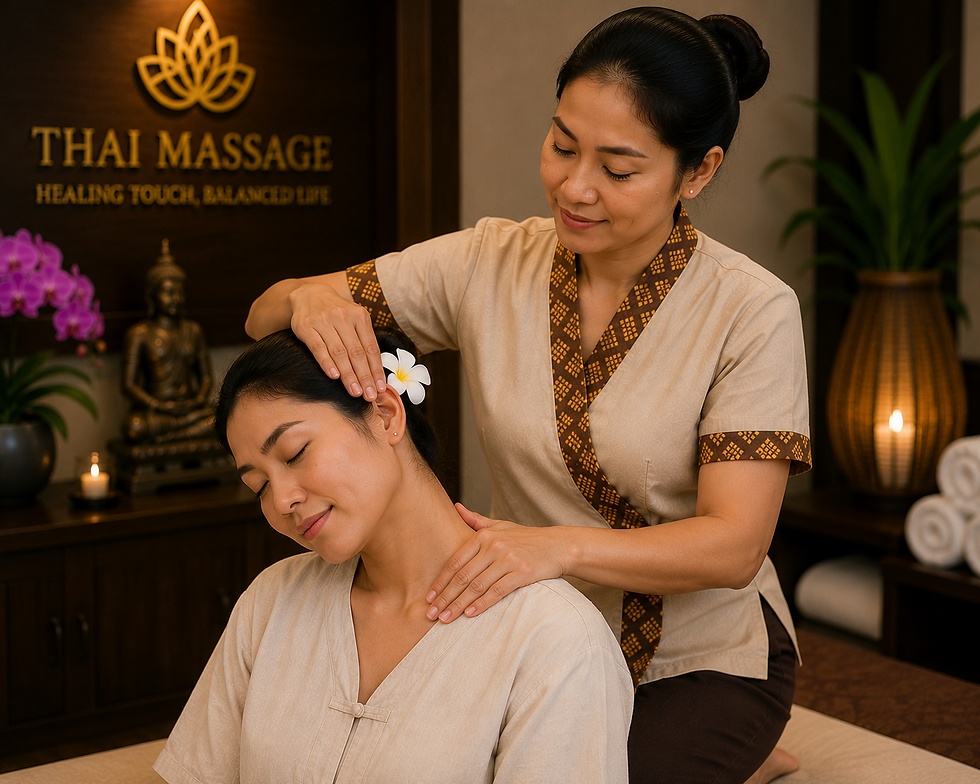
Shoulder tightness is another common reason people visit massage clinics.
The therapists explained that prolonged desk work, repetitive movements, and stress often contribute to muscle tension in this area.
Clients frequently request treatment focused on:
Upper shoulders
Shoulder blades
Upper back
Massage may help promote relaxation and temporarily ease feelings of muscle tightness for some individuals.
Lower Back Discomfort
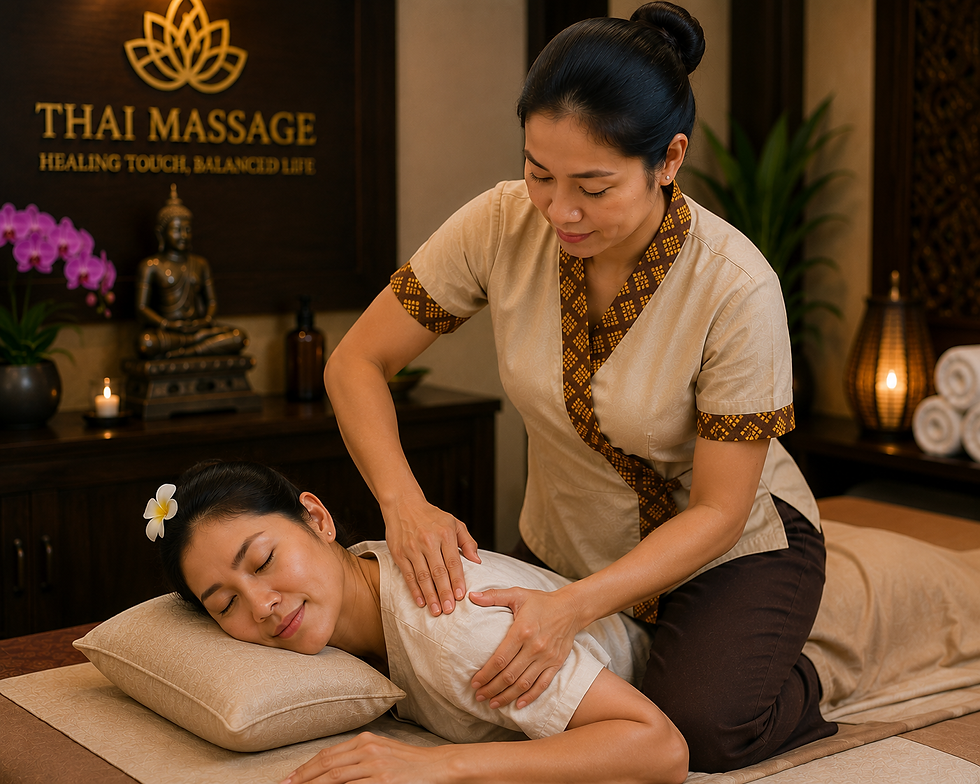
Lower back discomfort was consistently identified by the therapists as one of the most common complaints they hear.
Many clients experience soreness after:
Sitting for long periods
Standing throughout the day
Traveling
Physical work
Traditional Thai massage often includes stretching and muscle work around the hips, legs, and lower back.
Because lower back pain can have many causes, persistent or severe symptoms should be assessed by a healthcare professional.

Tight Muscles
Muscle tightness affects clients of all ages.
According to the therapists, common causes include:
Exercise
Long working hours
Travel
Physical labor
Limited movement during long flights
Traditional Thai massage combines stretching with pressure techniques to address areas of muscle tightness while encouraging relaxation.

Headache and Migraine-Related Muscle Tension
Several therapists mentioned that some clients experiencing headaches or migraines also report tight muscles in the neck and shoulders.
Massage may help some people relax muscles associated with tension in these areas. However, it should not be considered a treatment for migraines or other headache disorders.
Anyone experiencing severe, sudden, frequent, or worsening headaches should seek medical evaluation.

Swollen or Tired Legs
Swollen or tired legs were another common concern, particularly among travelers.
According to the therapists, clients often seek foot or leg massage after:
Long flights
Sightseeing
Standing for extended periods
Walking long distances
Massage may help some people feel more relaxed and comfortable after these activities.
However, sudden or one-sided leg swelling, severe pain, redness, or warmth requires prompt medical attention, as these symptoms may indicate a serious condition.

Stress and Relaxation
Not every client arrives with physical discomfort.
Many simply want to relax.
The therapists explained that stress, busy schedules, and travel fatigue are among the most common reasons people book a massage.
A traditional Thai massage provides time to disconnect from daily routines while encouraging relaxation through stretching, rhythmic movements, and focused bodywork.
Although many people report feeling calmer afterward, massage should not be considered a treatment for anxiety, depression, or other mental health conditions.

Therapist Insights
According to the therapists we interviewed...
The concerns they hear most often include:
Neck pain
Shoulder tension
Lower back discomfort
Tight muscles
Headache-related muscle tension
Swollen or tired legs
Stress and fatigue
The therapists emphasized that every client receives an individual assessment, and treatments are adapted based on the person's comfort level, physical condition, and treatment goals.
When to See a Doctor
Massage therapists are trained to provide wellness services, but some symptoms require medical evaluation.
Seek prompt medical care if you experience:
Severe or worsening pain
Pain after a major injury
Fever with muscle pain
Numbness or weakness
Loss of bladder or bowel control
Sudden or unexplained swelling in one leg
Severe or unusual headaches
Chest pain or shortness of breath
Massage should complement—not replace—appropriate medical care.
FAQ
What is the most common complaint therapists see?
According to the therapists we interviewed, neck pain, shoulder tension, and lower back discomfort are among the most frequently reported concerns.
Can Thai massage help with tight muscles?
Many clients choose Thai massage because they feel it helps relieve muscle tightness and promotes relaxation. Individual experiences vary.
Is Thai massage a treatment for migraines?
No. While massage may help relieve muscle tension that some people experience around the neck and shoulders, it is not a treatment for migraine disorders.
Why do travelers get foot or leg massages?
Long flights, sightseeing, and extended walking can leave legs feeling tired or heavy. Many visitors choose foot or leg massage as part of their relaxation routine.
Should I tell my therapist where it hurts?
Yes. Informing your therapist about areas of discomfort allows them to adjust the massage to your needs and comfort level.
Final Thoughts
Thai massage therapists work with clients who have a wide variety of goals, but the concerns they mentioned most often were neck stiffness, shoulder tension, lower back discomfort, tight muscles, tired legs, and stress.
These observations are based on their day-to-day experiences and should not be interpreted as medical advice. If symptoms are persistent, severe, or unexplained, it's important to consult a qualified healthcare professional.
For many people, traditional Thai massage can be a valuable part of a broader wellness routine that includes regular exercise, healthy posture, adequate rest, and appropriate medical care when needed.
Continue Exploring ThailandMassage.org
Related articles:
Thai Massage Safety Guide for First-Time Visitors
What to Expect During a Traditional Thai Massage
How to Choose a Legitimate Massage Shop in Thailand
Thai Massage vs. Oil Massage
Thai Massage Benefits: What the Research Says
Thailand Massage Directory
Suggested Internal Links
Thai Massage Safety Guide
What to Expect During a Traditional Thai Massage
Thai Massage Benefits
Thai Massage vs. Oil Massage
How to Choose a Legitimate Massage Shop
Thailand Massage Directory
Suggested External Authority Sources
World Health Organization (WHO)
Thailand Ministry of Public Health
Department of Thai Traditional and Alternative Medicine
National Center for Complementary and Integrative Health (NCCIH)
Video Suggestions
Thai Massage Therapists Discuss the Most Common Client Complaints
How Traditional Thai Massage Addresses Everyday Muscle Tension
Neck, Shoulder, and Back Massage Techniques Explained
When Should You Choose Massage—and When Should You See a Doctor?
SEO Opportunity
This article pairs well with condition-specific content such as "Thai Massage for Neck Pain," "Thai Massage for Lower Back Tension," and "Thai Massage for Office Workers." Linking these supporting articles creates a strong topical cluster around wellness and therapeutic massage while keeping claims evidence-based and medically responsible.


Comments