

Understanding the Unique Aspects of Thai Massage: A Comprehensive Guide

Traditional Thai massage is a centuries-old healing practice that combines physical therapy, acupressure, and yoga-like stretching. Rooted deeply in Thai culture and Buddhist philosophy, it offers more than just relaxation. This ancient art aims to balance the body’s energy, improve flexibility, and promote overall wellness. For travelers and wellness enthusiasts, understanding the unique aspects of Thai massage can enrich their experience and appreciation of this therapeutic tradition.
Unique Aspects of Thai Massage That Set It Apart
Thai massage differs significantly from Western massage techniques. It is often described as a blend of assisted yoga, acupressure, and meditation. Unlike typical massages that focus mainly on muscle relaxation, Thai massage works on the body’s energy lines, known as Sen lines, to stimulate healing and vitality.
Some key unique features include:
No oils or lotions used: Thai massage is traditionally performed without oils, allowing the therapist to use their hands, thumbs, elbows, knees, and feet to apply pressure.
Clothed sessions: Clients remain fully clothed in loose, comfortable attire, making it accessible and convenient.
Dynamic movements: The therapist guides the client through a series of stretches and rhythmic compressions, resembling yoga postures.
Holistic approach: It addresses physical, mental, and spiritual well-being, often incorporating breathing techniques and mindfulness.
Energy line focus: The massage targets specific energy pathways to unblock and balance the flow of prana or life energy.
These elements combine to create a deeply restorative experience that can relieve tension, improve circulation, and enhance flexibility.

What Happens at a Full Body Massage in Thailand?
A full body Thai massage session typically lasts between 60 to 120 minutes. Upon arrival, the client is usually offered loose-fitting clothes to change into, ensuring comfort and freedom of movement during the massage.
The session begins with the therapist assessing the client’s physical condition and any areas of discomfort. The massage then proceeds through a series of stages:
Warm-up stretches: The therapist gently stretches the limbs and torso to prepare the body.
Pressure application: Using thumbs, palms, elbows, and feet, the therapist applies rhythmic pressure along the Sen lines.
Assisted yoga postures: The client is guided into various yoga-like positions to enhance flexibility and release tension.
Breathing synchronization: The therapist may encourage deep, mindful breathing to complement the physical work.
Cool down: The session ends with gentle rocking and light massage to relax the body.
Clients often report feeling energized yet deeply relaxed after the session. It is common to experience mild soreness the next day, similar to the feeling after a good workout.

Exploring Thai Massage Schools and Training
Thailand is home to numerous reputable massage schools where aspiring therapists learn the art of traditional Thai massage. These schools offer courses ranging from beginner to advanced levels, often lasting from a few weeks to several months.
Key points about Thai massage education include:
Curriculum: Training covers anatomy, energy lines, massage techniques, and ethical practices.
Certification: Graduates receive certificates recognized by Thai health authorities and international wellness organizations.
Hands-on practice: Students spend significant time practicing on peers and clients under supervision.
Cultural immersion: Many schools incorporate lessons on Thai culture, meditation, and herbal medicine.
Popular locations: Chiang Mai, Bangkok, and Phuket are well-known hubs for massage education.
For travelers interested in learning or deepening their knowledge, enrolling in a course can be a rewarding way to experience Thai wellness culture firsthand.
Choosing the Right Spa for an Authentic Experience
When seeking a traditional Thai massage, selecting the right spa is crucial for an authentic and safe experience. Here are some practical tips:
Look for licensed therapists: Ensure the spa employs certified practitioners trained in traditional techniques.
Check reviews and recommendations: Online platforms and travel forums can provide insights into quality and service.
Observe hygiene and ambiance: Cleanliness, calming decor, and a peaceful environment enhance the experience.
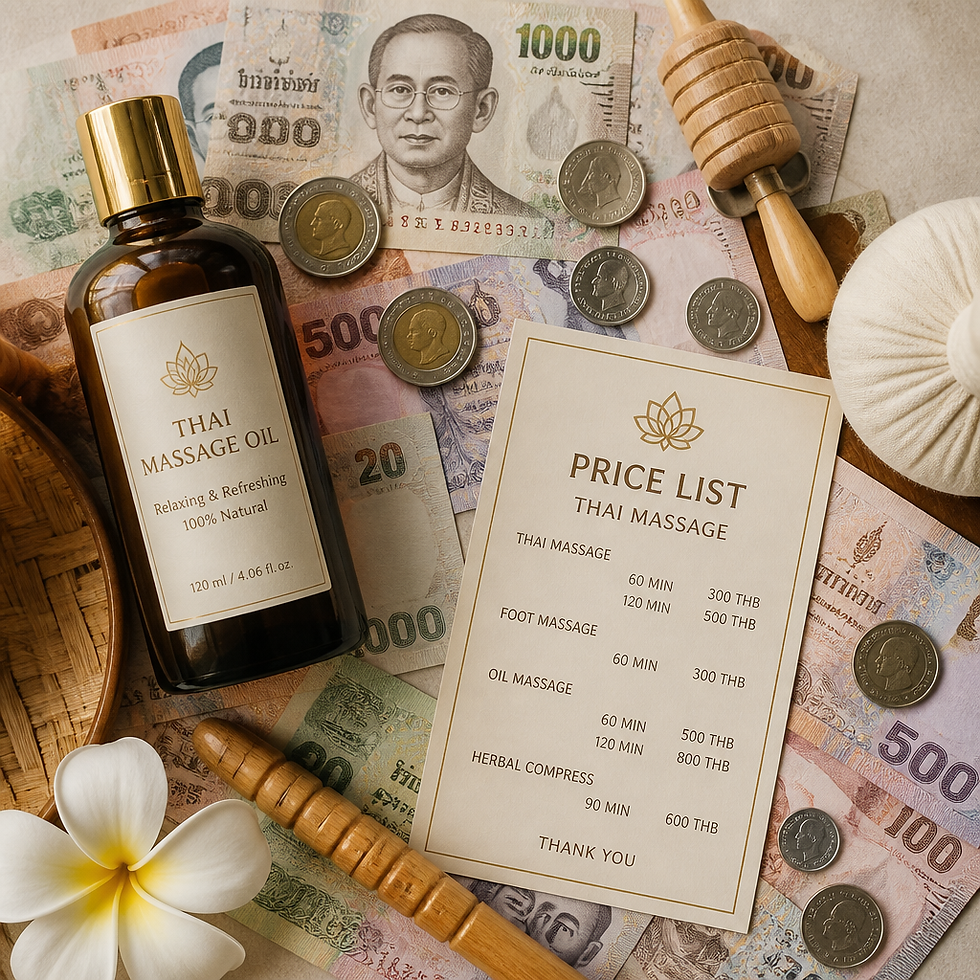
Ask about session length and pricing: Authentic Thai massage sessions vary in duration and cost; transparency is important.
Avoid overly commercialized places: Authentic spas focus on wellness rather than quick, superficial treatments.
Many travelers find that smaller, family-run establishments offer a more genuine and personalized experience compared to large commercial spas.
Practical Tips for First-Time Visitors to Thai Massage
For those new to traditional Thai massage, a few practical tips can help maximize benefits and comfort:
Communicate openly: Inform the therapist about any injuries, health conditions, or areas of pain.
Wear comfortable clothing: Loose, breathable clothes are ideal for movement during the massage.
Stay hydrated: Drinking water before and after helps flush out toxins released during the session.
Arrive early: Allow time to relax and mentally prepare before the massage begins.
Be patient with soreness: Mild muscle soreness is normal and usually subsides within a day or two.
Try different durations: Start with a shorter session and gradually increase as you become accustomed.
Understanding these practicalities ensures a safe, enjoyable, and effective massage experience.
Embracing Wellness Through Thai Massage
Traditional Thai massage is more than a physical treatment; it is a gateway to holistic wellness. By integrating ancient techniques with mindful breathing and movement, it nurtures the body, mind, and spirit. Whether experienced in a bustling city spa or a serene countryside retreat, this practice offers travelers a unique opportunity to connect with Thailand’s rich cultural heritage and promote lasting health benefits.
For those planning a wellness journey, exploring the diverse offerings of thailand massage can provide valuable guidance and inspiration. From expert advice to detailed destination information, resources like these help visitors make informed choices and fully appreciate the essence of Thai massage.
This comprehensive understanding of Thai massage equips travelers and wellness enthusiasts with the knowledge to enjoy this ancient art safely and meaningfully. Whether seeking relaxation, healing, or cultural immersion, traditional Thai massage remains a timeless and treasured experience.


Comments