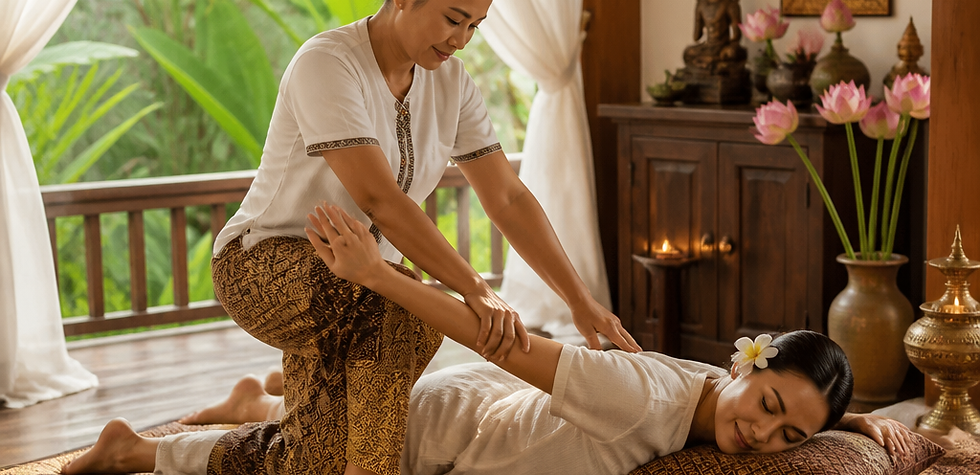



Koh Samui Thai Massage: Island Spa & Wellness Guide

Most travelers arrive in Koh Samui with sunscreen and a beach towel, and only discover on their last day that the island is one of the best places in Southeast Asia to experience Koh Samui Thai massage in all its forms. That is a genuine shame, because whether you book a beachside session for a few hundred baht or dedicate three days to a holistic wellness retreat, the island delivers a depth of therapeutic experience that goes far beyond the roadside foot-rub. This guide maps out the real landscape, from neighborhood by neighborhood choices to treatment types, pricing, spa etiquette, and the questions nobody thinks to ask until they are already lying face-down on a mat.
Table of Contents
Quick Takeaways
Key Insight
Explanation
Neighborhood matters more than price
Lamai suits wellness-focused travelers seeking yoga and detox culture. Chaweng is convenient but louder. Bo Phut offers boutique calm.
Traditional Thai massage is a full-body technique
It relies on pressure, assisted stretching, and the therapist using legs and feet, not just hands. It is not a relaxation-only treatment.
Book morning or evening slots
Early morning and evening appointments avoid peak island heat and tend to produce a more focused, unhurried session.
Budget massages vary in quality, not just price
A beachside session can run around 250 to 450 baht, while a day spa treatment at a hotel property typically starts around 1,000 baht. Quality depends on therapist training, not venue cost alone.
Advance booking is strongly recommended
Most reputable spas require reservations to guarantee treatment time and an unhurried pre-session consultation.
Kamalaya is the island's most recognized wellness retreat
It combines clinical holistic programs with traditional Thai healing, making it a genuine destination for longer stays rather than a drop-in spa.
Silence is part of the experience
Speaking softly and arriving on time are the two most important behaviors in any Thai spa setting, at any price point.
Koh Samui Wellness by Neighborhood
Koh Samui is not a single wellness destination. It is several distinct environments that happen to share an island. Choosing the right area before you book anything else is the single most important decision you will make for your wellness experience.
Chaweng, on the east coast, is the island's largest town with roughly 6 kilometers of white sandy beach. It has the highest concentration of spas, the most foot traffic, and the easiest access to accommodation at every price point. The trade-off is noise and nightlife spillover, which makes early-morning appointments especially worth seeking out here.


Lamai, about 10 minutes south of Chaweng on the same east coast, draws a noticeably different crowd. Wellness travelers interested in yoga, Muay Thai, and detox retreats tend to congregate here. The atmosphere is calmer and the wellness infrastructure, meaning actual retreat programs rather than just walk-in massage shops, is more developed. If your primary goal is a dedicated wellness stay rather than a beach holiday with massage as a side activity, Lamai gives you better options.
Bo Phut and the Fisherman's Village area on the north side of the island offer something different again: boutique calm and a more personalized approach. Spas here tend to be smaller, therapist relationships feel more attentive, and the village atmosphere makes recovery time between treatments genuinely restorative.
The Northeastern Corner and Choengmon
The northeastern tip of the island, around Choengmon Beach, sits in a quieter pocket than either Chaweng or Lamai. Resort spas in this area emphasize atmosphere, with properties using traditional architectural materials like teak and natural water features including lotus ponds to set a grounding tone before a single treatment begins. For travelers who want luxury without the Chaweng bustle, this corner is worth the slightly longer transfer from the airport.
Na Thon, on the west coast, is the island's administrative center and ferry port rather than a wellness destination. Most travelers pass through it rather than base themselves there.
Pro tip: If you are flying into Samui Airport and want to minimize travel time to your first treatment, Chaweng is closest. If you are arriving by ferry into Na Thon and prioritizing wellness over convenience, head straight to Lamai or Bo Phut and factor in roughly 30 minutes of travel time.
Thai Massage Types Available on the Island
Koh Samui's spas offer a wider treatment menu than most visitors expect. Understanding what is actually on offer lets you pick a treatment matched to what your body needs, rather than defaulting to the first option on the menu.
Traditional Thai Massage
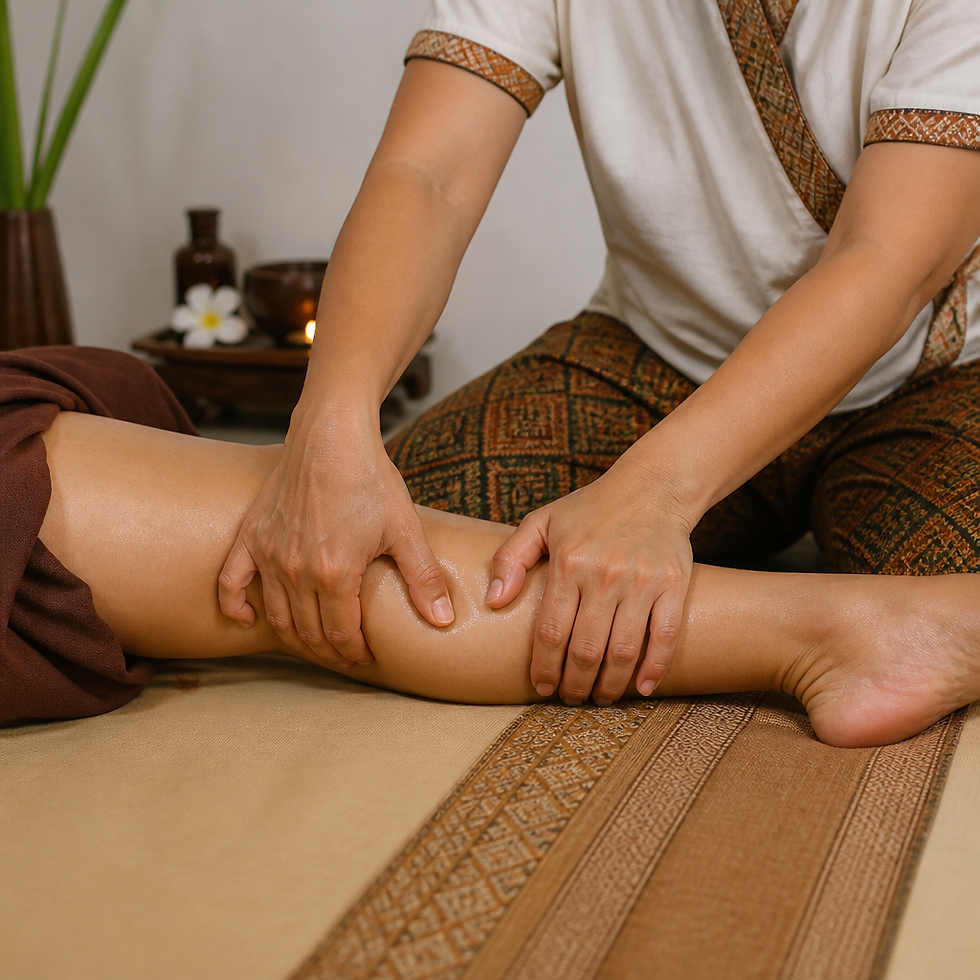
Traditional Thai massage is the foundation of the entire practice. Therapists use not just their hands but also their legs and feet, combined with deep body stretches designed to stimulate organs and improve flexibility. It is an active treatment, not a passive one, and it is significantly more physically engaging than a Swedish or oil massage. First-timers sometimes underestimate the intensity. Communicate your pressure preference clearly before the session starts.
Deep Thai Massage
Deep Thai massage targets muscle soreness and is particularly effective for travelers who have been active on the island, whether through diving, hiking, or extended beach walking. It focuses on relieving tightness from intense physical exertion and can help with recovery times. If you have spent a day on a boat tour or completed a Muay Thai class in Lamai, this is the more appropriate follow-up than a gentle relaxation session.
Coconut Oil and Aromatherapy Massage
A coconut oil massage is a softer, medium-pressure treatment that uses natural oils with long, soothing pressure strokes. It is better suited to relaxation than therapeutic work, and it pairs well with a body scrub as a two-stage treatment. Many Koh Samui spas use locally sourced coconut products, which adds a genuine regional element to the experience rather than a marketing label.
Hot Stone and Specialty Treatments
Resort and boutique spas across the island typically extend beyond traditional techniques to include hot stone therapy, herbal compress massage, and custom body wraps. Hot stone therapy uses heated basalt stones placed along energy points, delivering sustained warmth that loosens connective tissue more effectively than manual pressure alone. Herbal compress treatments wrap aromatic herbs in cloth bundles that are steamed and pressed into the body, a technique with deep roots in northern Thai medicine.
Comparing Your Options: Street Spa, Boutique, and Luxury
The price gap between a beachside massage shelter and a five-star resort spa is not a gap in authenticity. It is a gap in environment, additional services, and session structure. Here is an honest breakdown of what each tier actually delivers.
Spa Tier
Typical Price Range (THB)
What You Actually Get
Street and beachside shops
Around 250-550 baht per session
Open-air or curtained setting, experienced local therapists, no consultation, walk-in friendly. Quality varies widely by individual therapist. Good for quick sessions and testing what you like.
Boutique day spas
Around 800-1,500 baht per session
Private or semi-private rooms, pre-treatment consultation, consistent therapist training, curated product use. Better for longer treatments and two-stage therapy combinations.
Luxury resort spas
1,500 baht and above per session
Full sensory environment (sound, scent, design), certified therapists, post-treatment areas, wellness programming. Hotel guests sometimes receive a discount of 5-10%. Best for signature treatments, couples sessions, and retreats.
The difference between a beachside session and a five-star spa is not a difference in the core technique. It is a difference in context, consistency, and what happens before and after the treatment itself.
A common mistake among first-time visitors is assuming that the cheapest option means a compromised experience or that the most expensive option guarantees the best therapeutic result. Neither is consistently true. The Koh Samui massage scene rewards some research and a willingness to ask questions about therapist training before committing to a session.
Pro tip: At any price tier, ask whether the therapist has completed a formal certification course before booking. Trained therapists in Thailand typically complete programs at accredited institutions, and many reputable spas display their certifications at reception. A quick question at the desk tells you more than the decor does.
How to Book and What to Expect
Walk-in is fine for street-level shops, but for boutique and resort spas, advance booking is the only sensible approach. Most reputable Koh Samui spas require reservations to guarantee a proper pre-treatment consultation and adequate session time. Trying to walk into a well-regarded spa during high season, which runs roughly from December through March and again in July and August, without a booking frequently means being turned away or being squeezed into a slot that the therapist is rushing through.
What the Pre-Treatment Consultation Covers
Good spas ask about injury history, areas of tension, pressure preference, and any medical conditions before the treatment begins. This is not a formality. Therapists need to know about herniated discs, recent surgeries, pregnancy, or skin conditions before they begin. Skipping or rushing the consultation is a red flag about how the rest of the session will be managed.
Timing Your Visit
Early morning slots and evening appointments are the practical choices. Early morning treatments happen before the island heat peaks, and the quieter atmosphere makes it easier to settle into the experience. Evening sessions benefit from cooler temperatures and tend to transition naturally into dinner and rest, which extends the recovery effect of the massage. Midday appointments, when the sun is at its strongest and the spas are at their busiest, produce the least satisfying results for most people.
For travelers using our complete Thai massage guide, the same timing principles apply across all Thai destinations, but on Koh Samui they matter more because the island's humidity makes heat a genuine physical factor during treatment.
Spa Etiquette for First-Time Visitors
Thai spa culture has specific behavioral expectations that most visitors from outside Southeast Asia are not briefed on in advance. Getting these right matters both for your own experience and for the working environment of the therapist.
Arriving on time is non-negotiable in any well-run Thai spa. Arriving late does not usually mean a longer session. It means a shorter one, and it creates pressure on therapists who have back-to-back bookings. Arriving five to ten minutes early also gives you time to settle, change, and complete any intake paperwork without feeling rushed before your treatment begins.
Speaking softly inside a spa is standard Thai courtesy. This applies to conversations with companions, phone calls, and responses to your therapist. Loud voices break the quiet that other guests are paying to experience. Phones should be on silent and left in the locker, not brought into the treatment room.
What to Wear and What to Leave Outside
For traditional Thai massage, you will typically be given loose cotton clothing to wear during the session, since the treatment involves stretching and repositioning. For oil-based massages, you will undress to your comfort level and be properly draped throughout. Remove jewelry before the session. Sand and salt from beach activities should be rinsed off before arriving, both as a courtesy and because residue can interfere with certain treatments.
Tipping Culture at Koh Samui Spas
Tipping is customary at Thai spas, though the amount varies by context. At budget street-level shops, rounding up or leaving a small additional amount is appreciated. At boutique and resort spas, a tip of 50 to 100 baht per treatment hour is a common practice. Tips go directly to the therapist in most establishments and represent a meaningful portion of their income. Do not skip the tip because service charge was added to the bill. The service charge goes to the house, not the individual therapist.
For more guidance on navigating Thai massage culture respectfully, our spa etiquette guide covers the full range of customs you will encounter across the country.
Island Wellness Beyond the Massage Table
Koh Samui's wellness infrastructure extends well beyond individual massage sessions, and the travelers who get the most from the island are those who treat it as a layered experience rather than a single appointment.
Kamalaya is the island's most internationally recognized wellness resort. It operates as a holistic destination rather than a spa add-on, with structured programs combining traditional Thai healing, yoga, nutritional guidance, and medically supervised detox. Guests typically stay for multiple nights as part of a program rather than dropping in for a single treatment. It represents the top end of the island's wellness offering in terms of program depth and integration.
For travelers who want structure without a full multi-day commitment, several Lamai-based centers offer single-day yoga and meditation packages that pair well with a Thai massage booking in the same area. The combination of a morning meditation session, a midday rest, and an evening massage is one of the most effective wellness day structures available on the island.
Retreat Programming vs. Standalone Treatments
The distinction between a retreat program and a standalone treatment is important to understand before you spend money. A retreat program structures your time, nutrition, and therapies around a defined outcome, whether that is stress reduction, detox, or improved sleep. A standalone treatment is a single intervention with no surrounding structure. Both have real value, but confusing one for the other leads to disappointment. A single 90-minute massage in a resort spa is not a wellness retreat, no matter how well it is marketed.
Banyan Tree Samui, positioned on the hillside above Lamai Bay on the island's south-east coast, has built its wellness approach around defined pillars including mindfulness and groundedness, and it layers sound-based closing rituals into treatment sessions. This is an example of a resort spa building genuine program depth rather than simply offering individual bookings.
For travelers building a broader Thailand wellness itinerary, our wellness retreats guide covers how to evaluate programs across the country, including what questions to ask before committing to a multi-day stay.
Frequently Asked Questions
What is the difference between a Thai massage and a regular massage?
Traditional Thai massage is an active, assisted practice that combines acupressure, deep body stretching, and joint mobilization. Therapists use their legs and feet alongside their hands to guide the recipient through a sequence of positions. It does not use oil in its traditional form. A Swedish or relaxation massage is passive, oil-based, and focused on surface-level muscle relaxation. The two serve different purposes and choosing the wrong one for your body's needs is one of the most common mistakes first-time visitors make.
Is Koh Samui or Chiang Mai better for Thai massage?
Both are strong destinations but for different reasons. Chiang Mai is widely regarded as the home of formal Thai massage education, with several of Thailand's most respected training schools based there. Koh Samui offers a broader range of wellness contexts, from beach-casual to retreat-level, and the integration of massage into a broader island wellness experience is a genuine strength. If learning or therapeutic depth is your priority, Chiang Mai edges ahead. If you want massage as part of a complete beach and wellness trip, Koh Samui is the better combination.
How far in advance should I book a spa in Koh Samui?
For boutique and resort spas during high season (December to March and July to August), booking at least three to five days in advance is sensible, and for signature or multi-hour treatments, a week is safer. Kamalaya and comparable retreat-level properties book their programs weeks or even months ahead. Walk-in availability at well-regarded spas during peak season is inconsistent enough that it is not a strategy worth relying on.
What should I avoid before a Thai massage session?
Avoid eating a heavy meal within two hours of a session, particularly for traditional Thai massage involving stomach compression and twisting. Alcohol before treatment is inadvisable both physically and as a matter of spa etiquette. Heavy sun exposure immediately before a session makes pressure on inflamed skin painful, so if you have been on the beach all morning, a shower and a rest period before your appointment makes a practical difference to the experience.
Are there genuine wellness retreats in Koh Samui or just day spas?
Both exist, and distinguishing between them matters. Kamalaya is a clinically structured multi-day retreat program with health monitoring, nutritional support, and integrated therapies. Several Lamai-based centers offer multi-day yoga and detox packages with meals included. Day spas, including excellent boutique operations in Bo Phut and resort spas in Chaweng and Choengmon, offer individual treatments without program structure. The island has genuine depth at both ends of the spectrum.
Is tipping expected at Koh Samui spas?
Yes, tipping is expected and appreciated at essentially every level of the Koh Samui spa market. At street-level shops, any additional amount above the listed price is welcomed. At boutique and resort spas, 50 to 100 baht per treatment hour is a practical benchmark. Service charges on resort spa bills go to the establishment, not the individual therapist, so tipping separately is the correct approach even when a service charge appears on your receipt.
Have you had a memorable wellness experience on Koh Samui? Share what worked for you in the comments, especially if you have found a neighborhood or treatment type that surprised you.
References
Booking tips, timing advice, and spa etiquette guidance for Koh Samui wellness experiences from Banyan Tree Samui
Kamalaya Koh Samui: holistic wellness resort offering structured retreat programs combining Thai healing and modern wellness


Comments